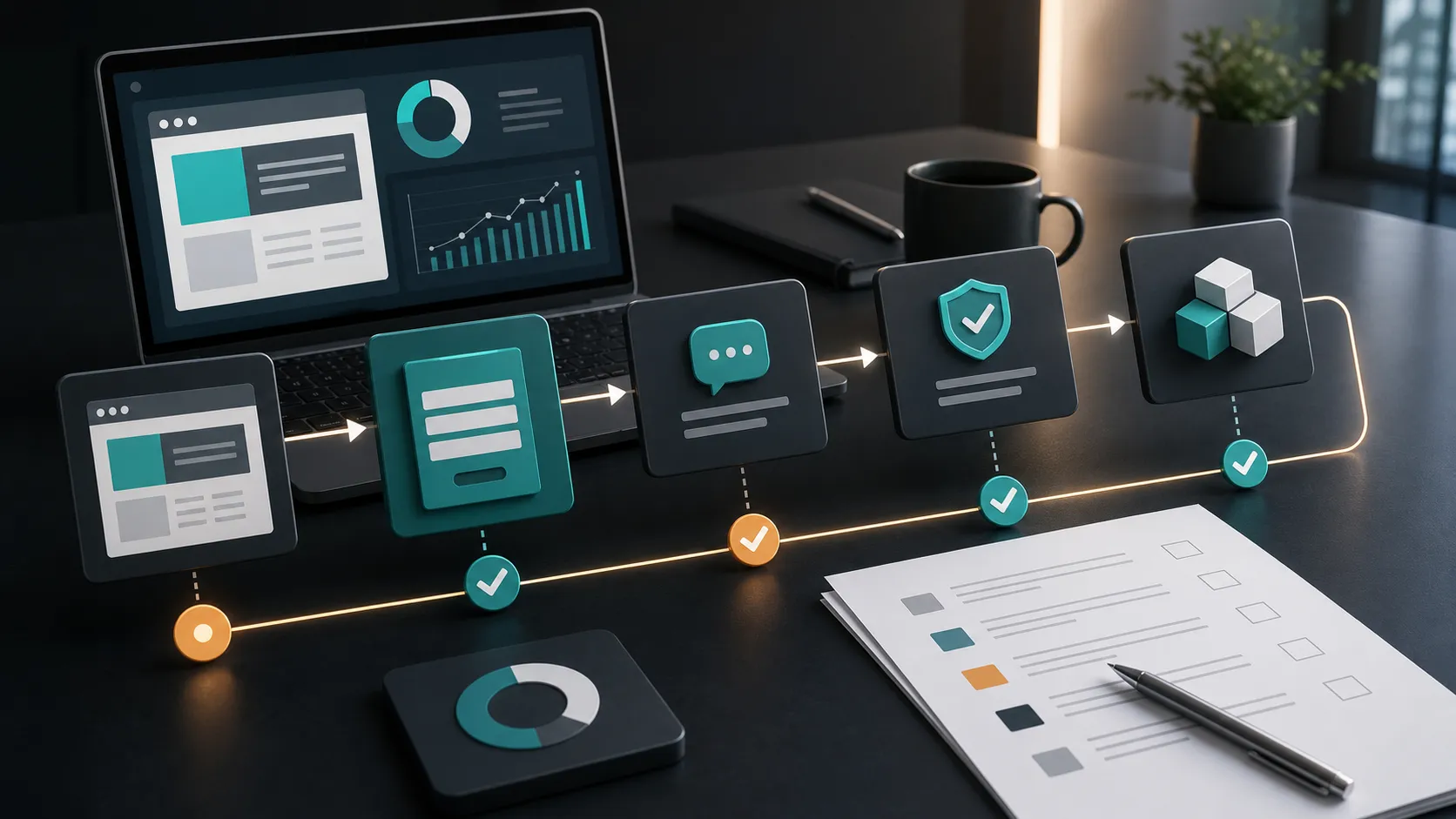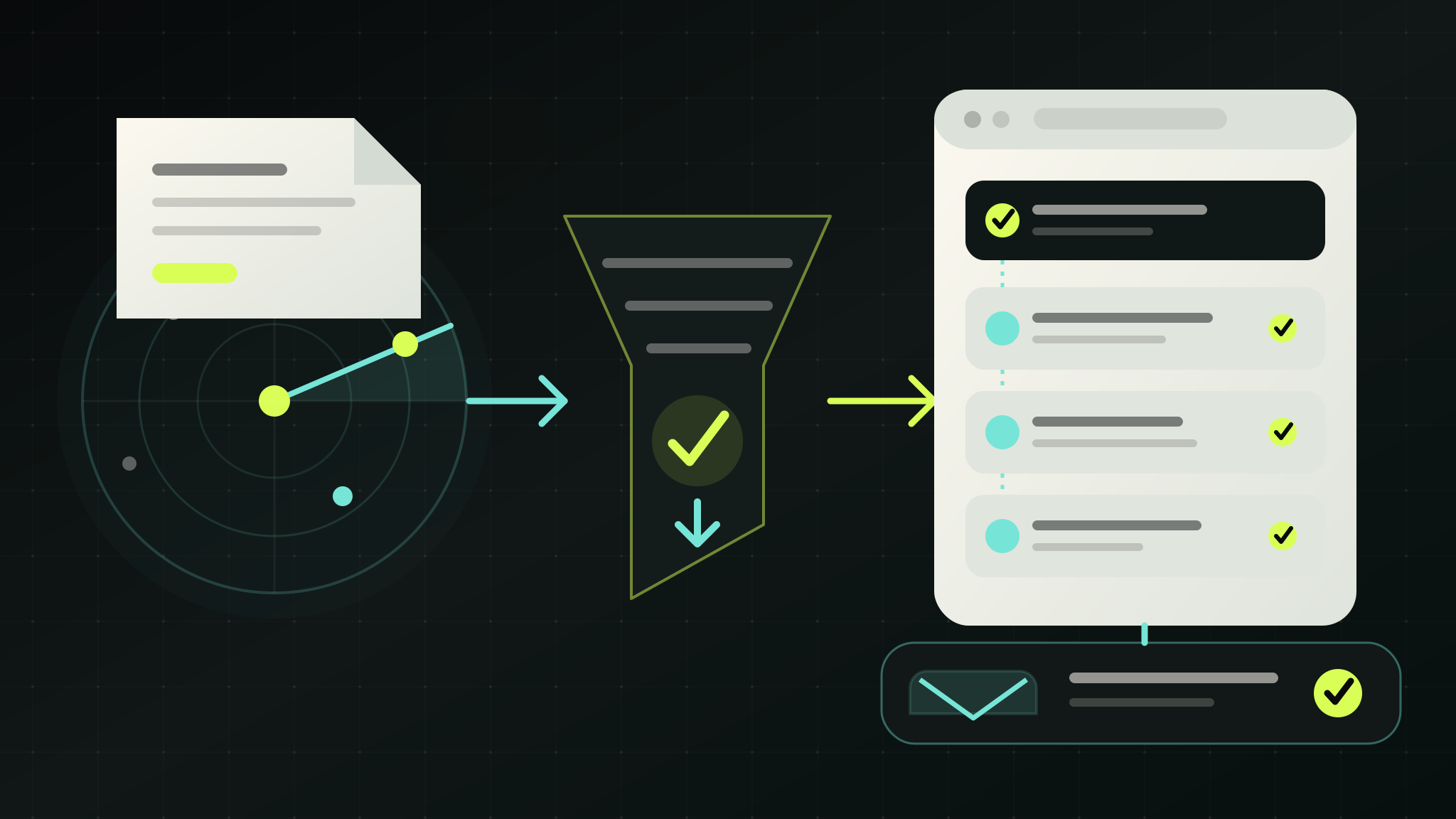
Tender monitoring for UK SMEs should reduce research noise while preserving the source evidence needed for a human decision. A useful system checks defined sources, records when they were checked, applies explicit inclusion and exclusion rules, highlights uncertain notices and delivers a review queue with links back to the originals.
Finding a notice is only the start. It does not establish that the business is eligible, suitable, able to submit a compliant bid, likely to win or likely to earn revenue.
Quick Answer
Define the contracts, locations, values, buyers and exclusions that matter. Maintain a controlled source register, capture stable notice identifiers and dates, deduplicate before scoring, and send uncertain opportunities to review. Every alert should preserve the source URL and checked time. A named person must make the bid/no-bid decision after reading the current notice and procurement documents.
Halo’s research and monitoring service can help map sources, filters and evidence. Repeated collection or routing may also use workflow automation and a purpose-built internal tool, but automation should not obscure coverage gaps.
Decision Framework: What Monitoring Problem Exists?
Choose the first system by the real failure:
- Discovery gap. The team does not consistently check the relevant public sources.
- Noise problem. Too many irrelevant notices reach the decision-maker.
- Evidence problem. Short summaries lose deadlines, identifiers, changes or source links.
- Handoff problem. Relevant notices are found, but no owner reviews them in time.
Do not begin with an opaque “AI relevance score”. First define why a notice should be included, excluded or escalated. A small rules table that a commercial lead understands is more useful than a sophisticated score nobody can challenge.
Build A Controlled Source Register
For each source, record its name, jurisdiction or buyer scope, URL, access method, fields available, expected update pattern, last checked date and owner. Sources and interfaces change, so a historical working query is not permanent coverage proof.
The UK’s official Find a Tender search is one source for public procurement notices. Government guidance on the enhanced Find a Tender service and central digital platform explains the platform context for buyers and suppliers. A business may need other national, devolved, local, sector or buyer-specific sources depending on its target market.
No monitoring system should claim exhaustive UK coverage unless the source scope, access limits, failure monitoring and checked dates genuinely support that statement.
Define The Opportunity Filter
Start with owner-approved fields:
- Contract subject and required capability.
- Buyer and geography.
- Estimated value or value band where available.
- Notice type and procurement stage.
- Submission deadline and clarification dates.
- Required certifications, experience or financial thresholds.
- Excluded sectors, locations, contract sizes or delivery models.
- Minimum review time the team needs before a deadline.
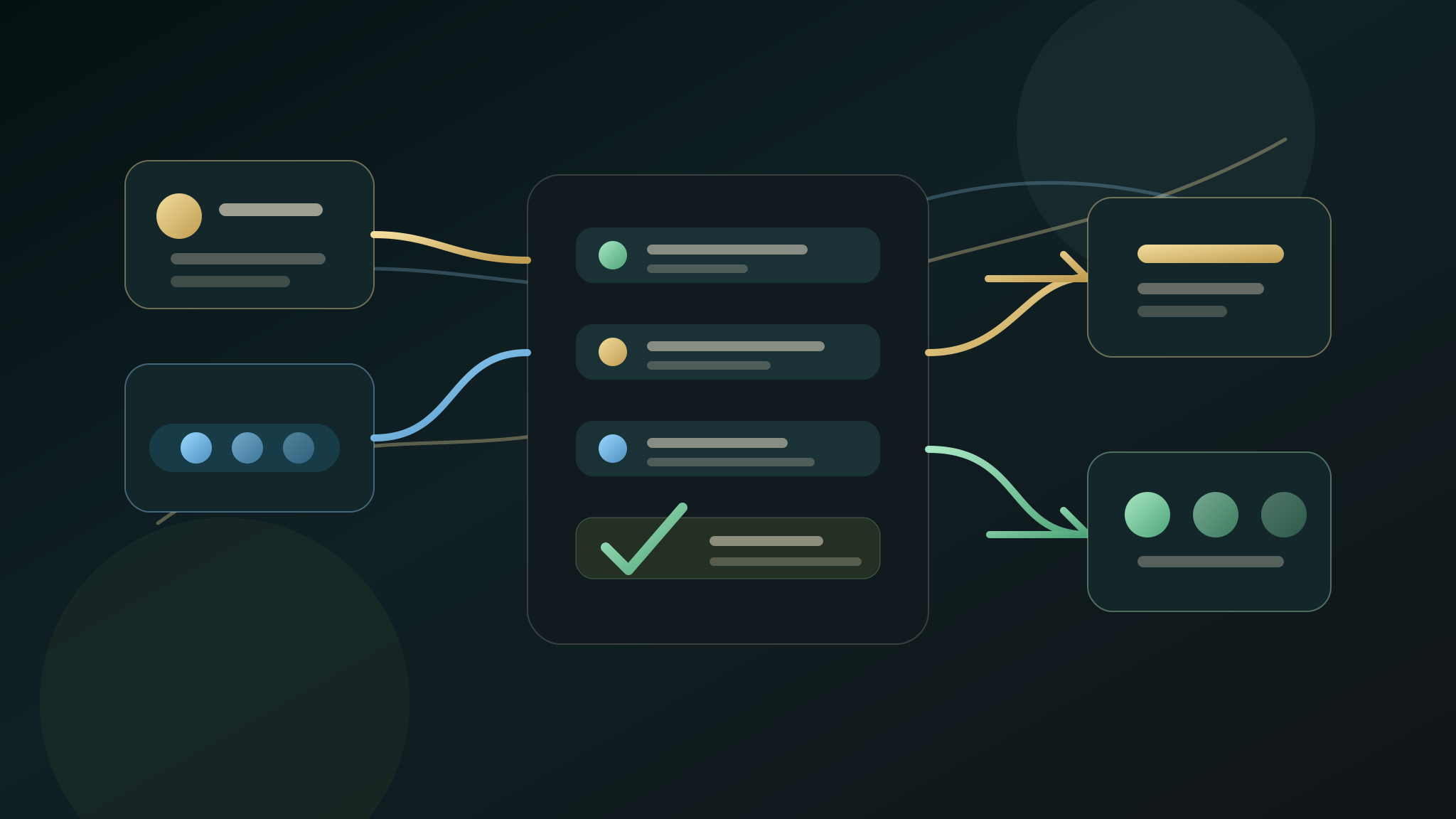
Use three outputs: likely relevant, likely excluded and needs review. Do not force incomplete notices into a confident binary decision. Record the rule or missing field that produced the outcome so a reviewer can correct the system.
Preserve Source Evidence And Changes
Each row or alert should keep the notice identifier, title, buyer, source URL, publication or modification date, captured deadline, matched rules, checked time and monitor version. Prefer links and small factual excerpts over copying entire procurement packs into an uncontrolled database.
Deduplicate by stable identifier where possible, then account for corrections or replacement notices. If a deadline, value or requirement changes, retain enough history to show what the previous alert contained and when the new source state was seen.
Clean identifiers and controlled fields matter before classification. The AI data-hygiene guide explains why ownership, duplicates and review states should be resolved before automating a decision queue.
Keep Bid And Eligibility Decisions Human
An automated filter can highlight words, dates and possible fit. It cannot verify every incorporated document, conflict, exclusion ground, financial requirement, certification, capacity constraint or commercial risk. A responsible owner must open the current notice, review the procurement documents and decide whether the business should proceed.
A useful bid/no-bid record includes the decision-maker, date, source version, reasons, open questions and next action. AI may summarise approved material, but invented experience, credentials or compliance statements are unacceptable. The AI policy guide can help define approved tools, sensitive-data boundaries and human review.
Measure The Workflow Honestly
Operational measures can include sources checked on schedule, source failures surfaced, duplicate notices removed, review queues delivered, alerts reviewed before deadline and reviewer corrections fed back into the rules.
Those measures show how the workflow operated. They do not establish eligibility, bid quality, awards or attributable revenue. A found notice that later becomes an award needs a separate evidence chain; it should not be credited to monitoring by assumption.
Halo currently has no published tender-monitoring client case study. This guide therefore describes a method, not a client outcome. The proof standard explains how Halo separates source, workflow and outcome claims.
Failure And Review Rules
Design for missing state. If a source cannot be reached, parsing fails or the last successful check becomes stale, mark the run incomplete and alert the owner. Do not silently publish an empty report as “no opportunities”. Retain the query scope, status and checked time without collecting more personal or commercially sensitive information than the review requires.
Set a regular human sampling process. Review some included, excluded and uncertain notices, then change rules deliberately with a dated note. This gives the filter a defensible operating history without pretending it becomes permanently accurate.
What To Send Halo
For a first audit or build brief, send:
- Target capabilities, buyers, regions and contract bands.
- Explicit exclusions and borderline examples.
- The public sources currently checked and by whom.
- A few source URLs or identifiers, not copied confidential bid packs.
- Current spreadsheet, inbox or task handoff.
- Review frequency and minimum decision time.
- The named bid/no-bid owner.
- Required report fields and evidence-retention boundary.
Use the research and monitoring audit route to review an existing process, or send a research and monitoring brief for a new system.
Next Step
Take ten historical notices: useful, irrelevant and genuinely uncertain. Record the source, checked date and reason for each label. That small decision set gives Halo enough to recommend a source register, rules table, monitoring run, review queue and evidence receipt without claiming exhaustive discovery or automating the final commercial judgement.
FAQ
What is tender monitoring for a UK SME?
It is a repeatable process for checking defined procurement sources, collecting relevant notice facts, removing duplicates, applying owner-approved filters and routing possible opportunities to a person with source links and checked dates.
Can tender monitoring find every UK opportunity?
No system should promise that by default. Coverage depends on the named sources, jurisdictions, access methods, query rules, update timing and failures. Reports should state their scope and last successful checks.
Does a matched tender mean my business is eligible?
No. A match indicates that selected notice details met the filter. Eligibility and suitability require human review of the current notice, documents, business circumstances and procurement requirements.
Can AI decide whether we should bid?
AI can summarise approved material and flag rule matches or missing facts. A responsible person should make and record the bid/no-bid decision because capacity, risk, credentials, pricing and commercial strategy require accountable judgement.
How should a tender-monitoring workflow be measured?
Measure scheduled source checks, visible source failures, duplicates removed, queue timeliness, reviewer decisions and corrected classifications. Track bids, awards and revenue separately rather than assuming the monitoring system caused them.